
The architecture, Engineering, and Construction industry is entering a new era. Technology is changing how projects are designed, managed, and delivered. As automation becomes more common, many professionals are asking an important question: what is the Future of the AEC workforce?
The simple answer is that the future is not about humans versus machines. It is about humans working together with automation to create smarter, faster, and more efficient construction processes.
The Future of the AEC industry depends on balancing human creativity with digital technologies. While automation can handle repetitive tasks, human expertise remains essential for decision-making, innovation, and problem-solving.
Understanding the Future of the AEC Workforce
The Future of the AEC workforce is built around collaboration between technology and skilled professionals.
Automation tools are helping teams:
Reduce manual work
Improve project accuracy
Increase productivity
Save time and cost
However, technology alone cannot replace human thinking, creativity, and experience.
This is why the Future of the AEC industry is all about combining people and intelligent systems.
1. How Automation Is Changing the Industry
Automation is already becoming part of daily construction workflows.
Areas Where Automation Helps:
Automated scheduling
Quantity estimation
Design optimisation
Progress tracking
These systems reduce repetitive tasks and allow professionals to focus on more strategic work.
Benefits:
Faster project execution
Reduced errors
Better efficiency
The Future of the AEC industry will rely heavily on automation to handle routine operations
2. Role of 3D Clash Coordination
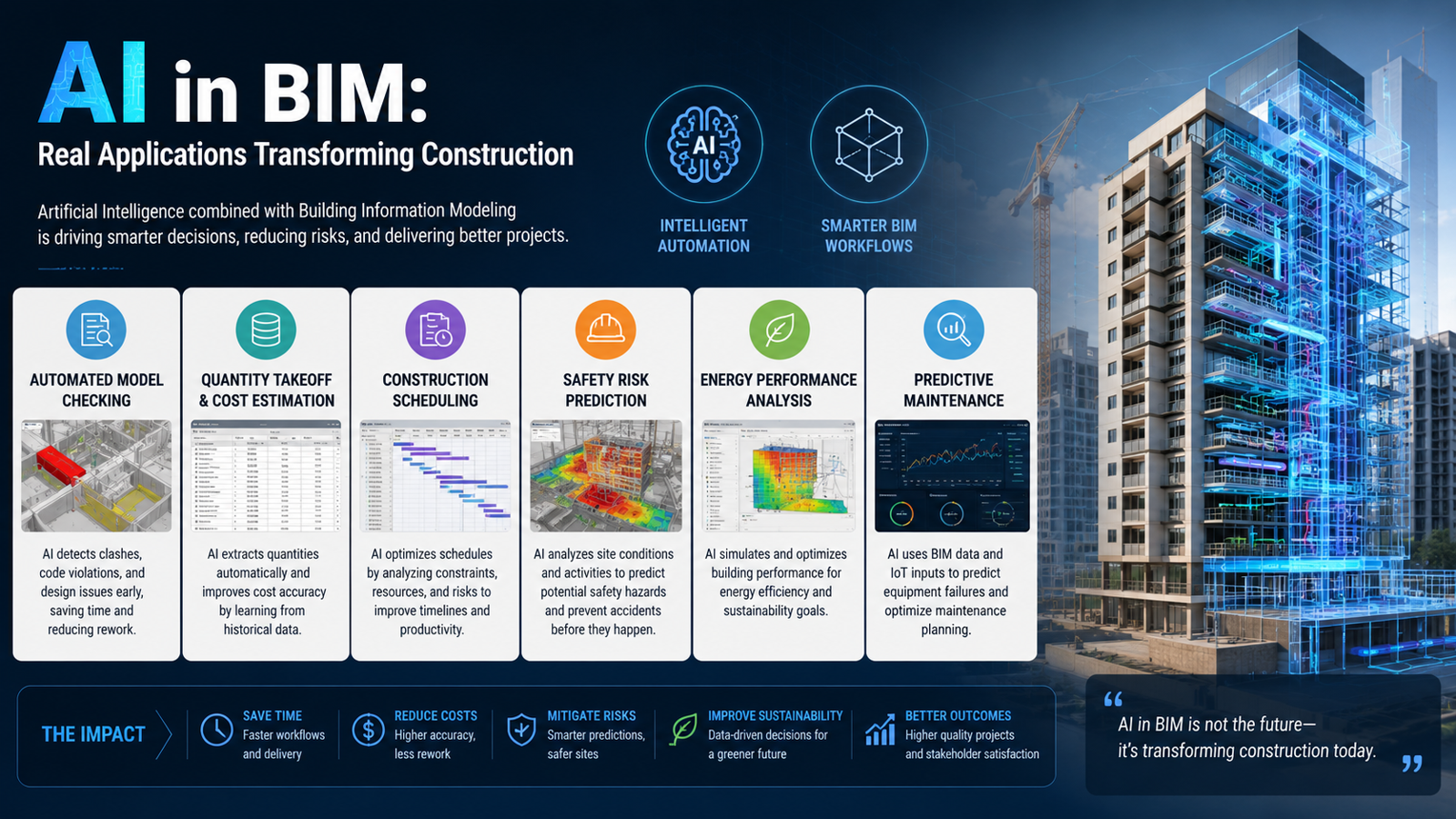
One important example of automation in construction is 3D clash coordination.
This process uses digital tools to identify design conflicts before construction begins.
Examples of Clashes:
Structural and plumbing overlaps
Electrical and HVAC conflicts
Why It Matters:
Reduces rework
Saves project costs
Improves coordination
In the Future of the AEC, automated clash detection will become standard practice for improving project quality.
3. Importance of As Built Drawings Services
Even with advanced automation, accurate project documentation remains essential.
This is where as built drawings services become important.
Key Benefits:
Records final construction details
Supports facility management
Helps future renovations
As digital systems evolve, as built drawings services will become even more integrated with smart building technologies.
The Future of the AEC industry will depend on accurate digital records for long-term asset management.
4. Growth of 3D Architectural Rendering Services
Visualisation technology is also transforming the industry. 3D architectural rendering services are helping teams communicate designs more effectively.
Advantages:
Better client understanding
Faster design approvals
Improved project presentations
In the Future of the AEC, rendering tools powered by automation and AI will create highly realistic visual experiences in less time.
5. Human Skills Will Still Matter
Even though automation is growing, human expertise will remain valuable.
Skills That Will Stay Important:
Critical thinking
Creativity
Communication
Leadership
Problem-solving
Technology can assist professionals, but it cannot replace human judgement completely.
The Future of the AEC workforce will require professionals who can work alongside digital tools effectively.
6. Importance of ISO 19650 Made Simple
As digital collaboration increases, proper information management becomes essential. This is where ISO 19650 Made Simple plays a major role.
What It Helps With:
Standardised data management
Better collaboration
Clear project workflows
Using ISO 19650 Made Simple, teams can organise digital information more efficiently and reduce communication gaps.
Why It Matters:
Improves project coordination
Supports automation processes
Enhances data consistency
The Future of the AEC industry will rely heavily on structured digital information systems.
Key Benefits of Humans + Automation
The combination of human expertise and automation creates several advantages.
Major Benefits:
Faster project delivery
Better accuracy
Improved safety
Reduced manual effort
Higher productivity
This balance is the foundation of the Future of the AEC workforce.
Practical Steps for AEC Professionals
To prepare for the Future of the AEC, professionals should focus on upgrading both technical and digital capabilities.
Learn Digital Tools
BIM software
Coordination platforms
Automation systems
Understand Industry Standards
Follow ISO 19650 Made Simple
Improve data management practices
Improve Collaboration
Work effectively across teams
Use cloud-based systems
Focus on Adaptability
Stay updated with technology
Be open to continuous learning
Challenges in the Future Workforce
While automation brings many benefits, it also creates challenges.
Common Challenges:
Fear of job replacement
Need for reskilling
Technology adoption costs
Data security concerns
However, the Future of the AEC industry is not about reducing human involvement. It is about making professionals more efficient and productive.
Emerging Technologies in the AEC Industry
The next generation of construction technology will further shape the Future of the AEC workforce.
Upcoming Innovations:
Artificial Intelligence
Digital twins
Robotics
Smart construction systems
Predictive analytics
These technologies will support professionals rather than replace them completely.
The Importance of Continuous Learning
As automation evolves, continuous learning will become essential.
Professionals who understand:
3D clash coordination
as built drawings services
3D architectural rendering services
ISO 19650 Made Simple
will have stronger career opportunities in the future.
The Future of the AEC workforce belongs to those who can combine technical knowledge with digital expertise.
Final Thoughts
The future of the AEC industry is not about humans competing with automation. It is about creating a smarter partnership between technology and skilled professionals.
Automation will handle repetitive and data-heavy tasks, while humans will continue leading creativity, decision-making, and innovation.
By adopting technologies like 3D clash coordination, as built drawings services, and 3D architectural rendering services, the industry can improve efficiency and project quality.
At the same time, frameworks like ISO 19650 Made Simple will ensure better digital collaboration and information management.
In the coming years, the most successful professionals will be those who embrace technology while continuing to strengthen their human skills.


Write a comment ...